
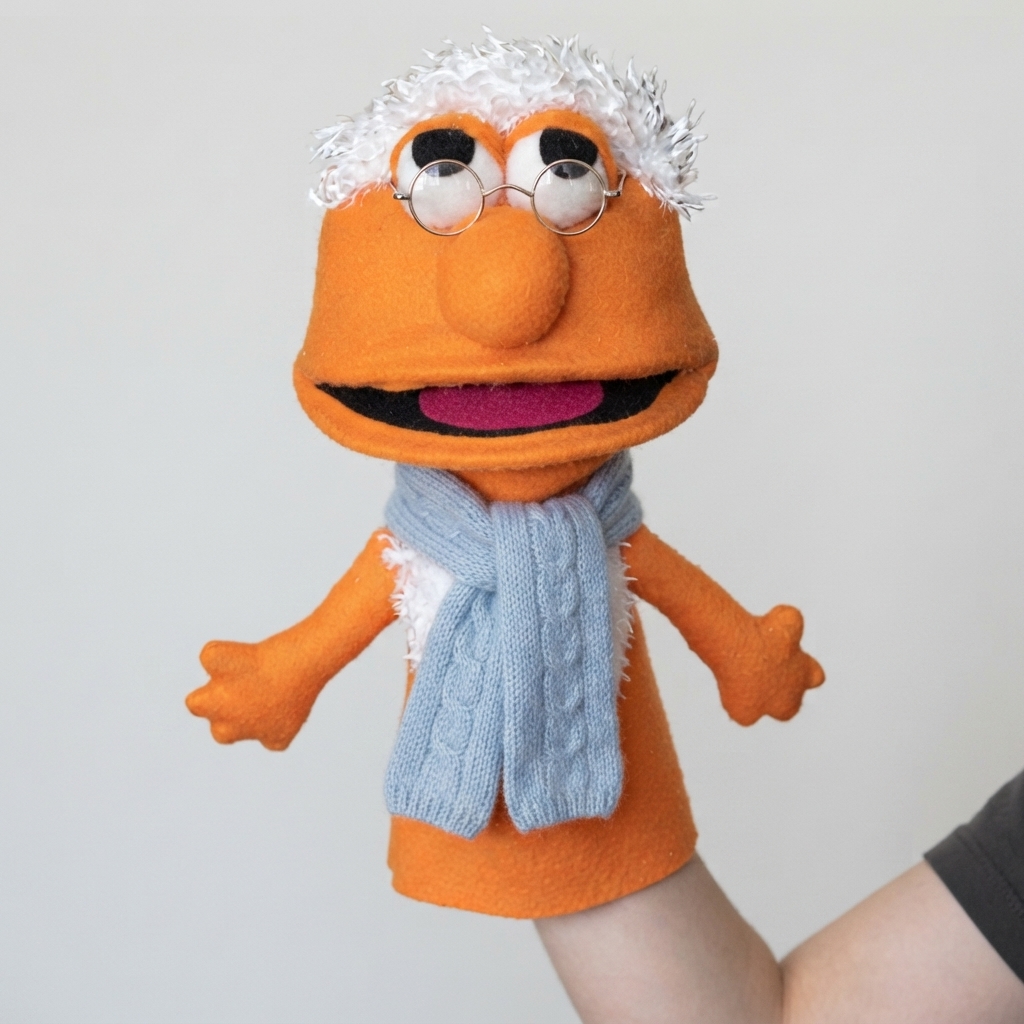
Making a handmade doll is a wonderful craft project that encourages children to use their imagination while creating a toy they can treasure for years. Instead of buying a doll from a store, children can design and decorate one with their own unique style. From choosing colorful fabrics to drawing cheerful faces and adding fun accessories, every step of the process allows young creators to express themselves.
This project is perfect for classrooms, family craft afternoons, birthday parties, summer camps, and rainy-day activities. It combines art, sewing or gluing, storytelling, and imaginative play in one enjoyable experience. Best of all, every handmade doll is one of a kind, making each child’s creation truly special.
Besides being fun, making dolls helps children develop fine motor skills, creativity, patience, and confidence. When the project is finished, children have not only created a beautiful toy but also learned valuable crafting skills along the way.
Why Children Love Making Handmade Dolls
Children enjoy this project because it allows them to create something that reflects their own personality. They can decide everything about their doll, including:
- Hair color and hairstyle
- Facial expressions
- Clothing colors
- Accessories
- Shoes
- Hats
- Scarves
- Names
- Favorite hobbies
- Special personalities
There are no right or wrong designs, making every doll unique and meaningful.
Materials Needed
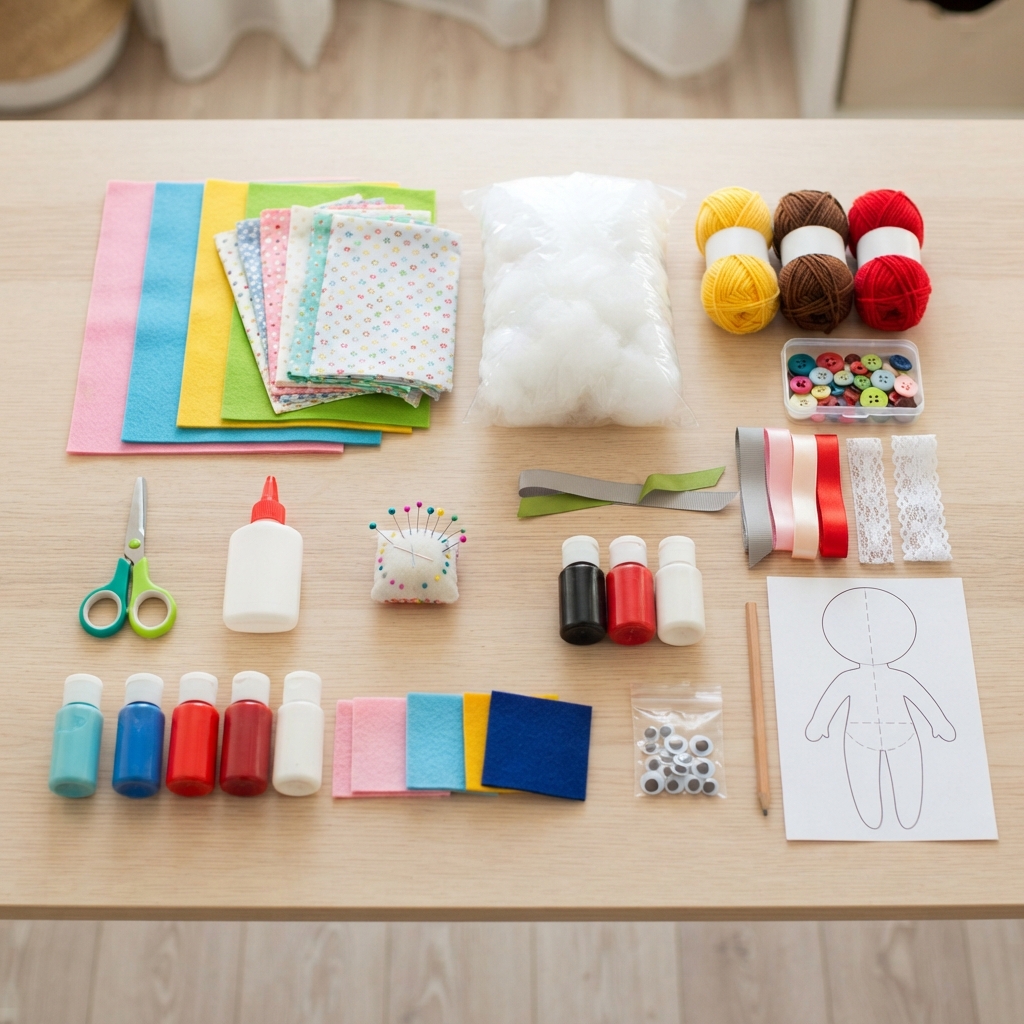
Gather these simple craft supplies before starting:
- Felt or cotton fabric
- Fabric scraps
- Stuffing or cotton filling
- Child-safe scissors
- Fabric glue or needle and thread (with adult supervision)
- Colored markers
- Yarn for hair
- Buttons (for decoration only)
- Ribbons
- Lace
- Fabric paint
- Small pieces of felt for clothing
- Googly eyes (optional)
- Pencil
- Paper pattern
Most of these materials are inexpensive and can often be found at home.
Preparing the Workspace
Choose a clean, well-lit table with plenty of room for everyone.
Protect the surface with newspaper or a craft mat.
Organize the materials into small containers so children can easily find what they need.
Adult supervision is recommended when scissors or sewing needles are used.
Step 1: Draw the Doll Pattern
Begin by drawing a simple doll shape on paper.
The pattern can include:
- Head
- Body
- Arms
- Legs
Keep the design simple for younger children.
Cut out the paper pattern carefully.
Step 2: Cut the Fabric
Place the paper pattern on folded fabric.
Trace around it with a pencil.
Cut two matching fabric pieces.
These will become the front and back of the doll.
Step 3: Join the Pieces
Use fabric glue or carefully sew around the edges.
Leave a small opening for the stuffing.
This step creates the basic shape of the doll.
Step 4: Add the Stuffing
Fill the doll gently with cotton stuffing.
Add enough filling to make the doll soft without overstuffing it.
Once filled, close the opening with glue or stitches.
Now the doll is ready for decorating.
Step 5: Create the Face
Children can design cheerful facial expressions using fabric markers or fabric paint.
Add:
- Eyes
- Nose
- Smile
- Rosy cheeks
- Eyebrows
- Freckles
Each face gives the doll its own personality.
Step 6: Make the Hair
Yarn works wonderfully for doll hair.
Children can create:
- Long hair
- Short hair
- Curly hair
- Braids
- Ponytails
- Pigtails
- Buns
Glue or sew the yarn onto the head.
Hair can even be decorated with ribbons or tiny bows.
Step 7: Design the Clothes
Now comes one of the most exciting parts.
Children can make miniature clothing using colorful fabric pieces.
Ideas include:
- Dresses
- T-shirts
- Shorts
- Pants
- Skirts
- Jackets
- Pajamas
- Capes
- Aprons
Glue or sew the clothing onto the doll.
Step 8: Add Fun Accessories
Accessories make every doll even more special.
Children can create:
- Hats
- Scarves
- Handbags
- Tiny blankets
- Glasses
- Jewelry
- Hair bows
- Flower crowns
- Backpacks
Small details help bring each doll to life.
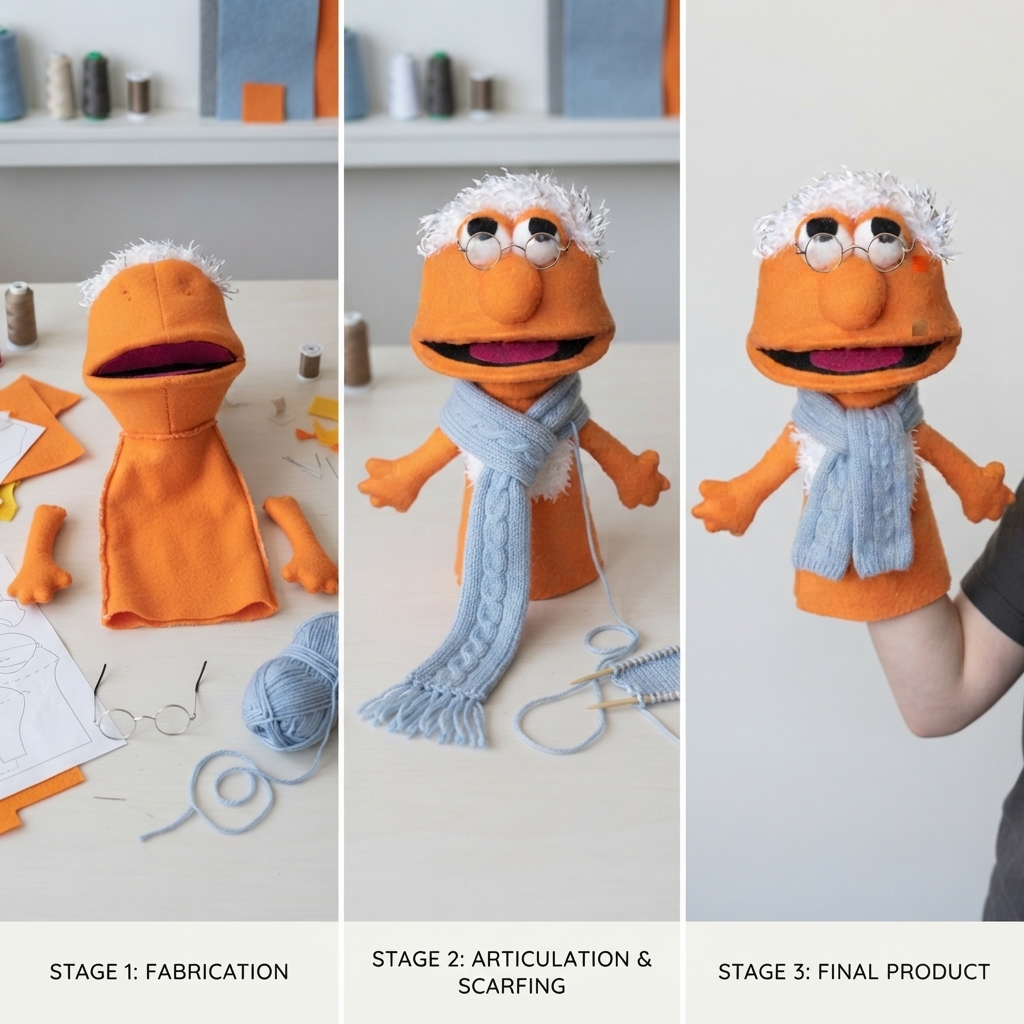
Creative Doll Themes
Children can make dolls inspired by different ideas:
- Fairy doll
- Princess doll
- Superhero doll
- Pirate doll
- Explorer doll
- Farmer doll
- Astronaut doll
- Animal-themed doll
- Mermaid doll
- Magical wizard doll
These themes inspire imaginative storytelling and role-playing.
Educational Benefits
Making handmade dolls teaches many important skills.
Children practice:
- Creativity
- Planning
- Problem-solving
- Fine motor coordination
- Hand-eye coordination
- Measuring
- Cutting
- Sewing basics
- Color matching
- Patience
The finished doll also encourages imaginative play and storytelling.
Safety Tips
Keep the activity safe by following these guidelines:
- Adults should supervise the use of scissors and needles.
- Use child-safe scissors whenever possible.
- Avoid small decorations for very young children.
- Keep the workspace organized.
- Wash hands after crafting.
- Store sharp tools safely after use.
Safety helps everyone enjoy the project with confidence.
Fun Classroom Activities
Teachers can extend the project by inviting children to:
- Name their dolls
- Write short stories about them
- Introduce them to classmates
- Create doll families
- Build cardboard dollhouses
- Design miniature furniture
- Put on puppet-style performances
- Display dolls in a classroom art exhibition
These activities encourage language development and teamwork.
Caring for Handmade Dolls
Children can keep their dolls looking beautiful by:
- Storing them in a clean place
- Handling them gently
- Spot-cleaning with a damp cloth if needed
- Repairing loose decorations with adult help
- Keeping them away from moisture
Proper care helps handmade dolls last for many years.
Why This Project Is Perfect for Groups
This craft is ideal for:
- Elementary school art classes
- Community workshops
- Family craft nights
- Summer camps
- Library activities
- Birthday parties
- Scout meetings
- Holiday craft events
Working together allows children to exchange ideas and celebrate one another’s creativity.
Conclusion
A handmade doll-making project is a fun, meaningful, and educational activity that children will truly enjoy. With simple materials and a little imagination, they can create a soft, colorful doll that reflects their own creativity and personality. Along the way, they develop valuable artistic and practical skills while experiencing the joy of making something with their own hands.
Every handmade doll becomes more than just a toy—it becomes a cherished keepsake, a storytelling companion, and a reminder of the fun and creativity shared during the crafting process. Whether made at home, in the classroom, or at a community event, this delightful project inspires confidence, imagination, and a lifelong love of creative learning.
